



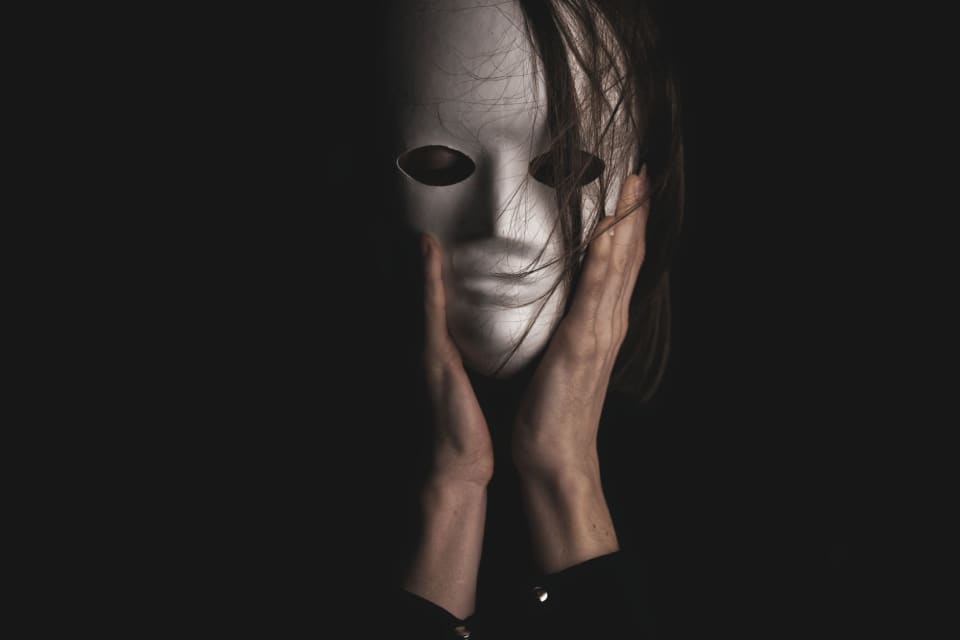
Character & Image
Protagonist
The protagonist is the main personage of a literary work, around whom the plot is built and whose deeds, choices, and fate are at the center of attention. The term comes from ancient Greek theater, where the protagonist ('first contender') was the first, leading actor who carried the action, as opposed to the deuteragonist (second) and tritagonist (third). The protagonist is the bearer of the main conflict and, usually, of the author's idea; they are opposed by the antagonist. The protagonist is not necessarily a positive character — it may even be an antihero. The development of the protagonist, their inner change (the 'character arc'), often constitutes the semantic core of the work. In classical drama, it is precisely the fate of the protagonist that evokes catharsis. In Ukrainian literature, vivid protagonists are Zakhar Berkut of Ivan Franko, Mavka of Lesia Ukrainka's 'The Forest Song,' and Marusia Churai of Lina Kostenko's novel in verse.
Video
Compare “Protagonist” with another term
Meaning, origins and distinction — side by side.
Distinction
Two polar roles in the conflict. The protagonist is the main hero, around whose deeds, choices and fate the plot is built and who usually bears the author's idea. The antagonist is the one who OPPOSES the protagonist, embodying contrary forces (a person, group, circumstances, fate or an inner principle) and making the conflict possible. Neither is defined by morality: the antagonist is a function of resistance, not a "villain" by definition.




