

Glossary
Glossary
A glossary of literary terms — from metaphor to free verse.
 Literature01
Versification
Rhythm, metre, rhyme and the stanza.
44 termsOpen Literature02
Tropes & Figures
Metaphor, metonymy and rhetorical figures.
43 termsOpen Literature03
Stylistics
Language, register and stylistic devices.
52 termsOpen Literature04
Genres & Forms
Novel, novella, sonnet — genres and folk forms.
91 termsOpen Literature05
Movements
Baroque, romanticism, modernism, avant-garde.
38 termsOpen Literature06
Composition
Plot, fabula, conflict and structure.
50 termsOpen Literature07
Character & Image
Hero, character, lyric subject, archetype.
30 termsOpen Literature08
Theory & Criticism
Literary theory, criticism and book culture.
68 termsOpen
Character & Image
← All dimensions
Antagonist
The antagonist is a personage who opposes the main hero (protagonist), embodies contrary forces, and impels the unfolding of the conflict.
Antihero
The antihero is a central personage of a work who is deprived of traditional heroic traits (nobility, courage, moral integrity) or endowed…
Archetype
An archetype is a primal, universal image, motif, or scheme that recurs in the myths, folklore, and literature of different peoples and epo…
Artistic Image
The artistic image is the fundamental category and mode of being of art — a concrete-sensory and at the same time generalized picture of hu…
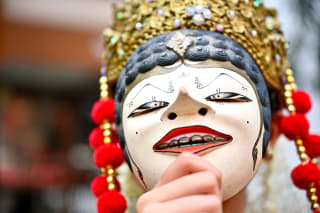
Character
A character is an acting personage of a literary work, the bearer of the plot's events, the subject of the depicted action.
Character (as Personality)
Character (as personality) in literary studies is an artistically convincing, internally motivated depiction of a personage's personality i…
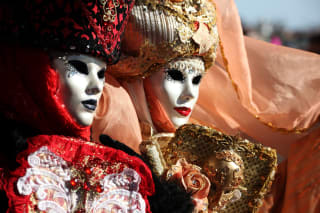
Characterization
Characterization is the system of artistic means and devices by which a writer creates the image of a personage and reveals their nature, p…
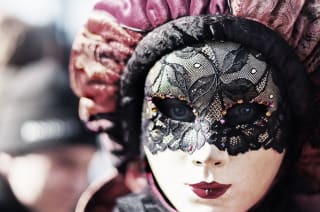
Collective Image
A collective image is an artistic generalization that embodies the typical traits of a whole group of people, a social stratum, a generatio…
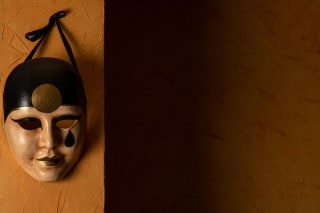
Emblem
An emblem is a conventional symbolic depiction of a certain concept, idea, or phenomenon, accompanied by a verbal text (a motto and an expl…
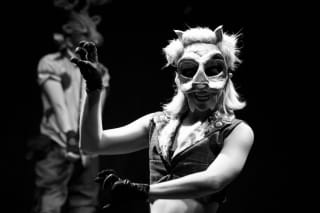
Episodic Character
An episodic character is a secondary personage who appears in one or several episodes of a work and performs an auxiliary function: aiding…
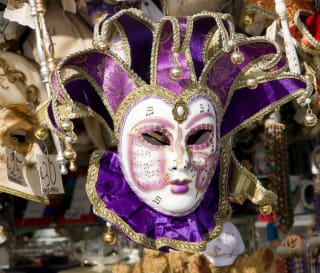
Eternal Image
An eternal image is an artistic image that, owing to its universal human significance and inexhaustible depth, has outgrown the bounds of i…
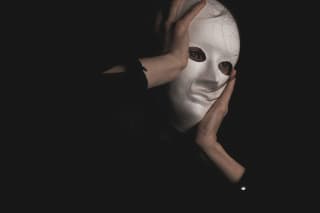
Grotesque
The grotesque is a type of artistic imagery based on a fantastic, distorted, excessive combination of the incompatible — the real and the f…
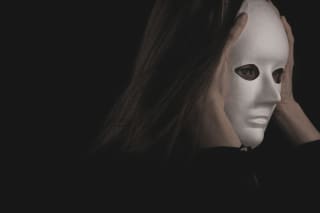
Hero (Literary)
A hero (literary) is the central personage of a work, an acting figure endowed with significance in the development of the plot and the exp…
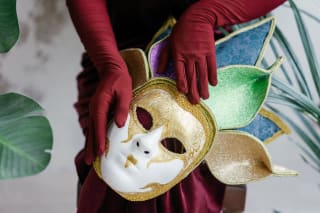
Image of the Author
The image of the author is the concentrated embodiment of a work's essence, the organizing center that unites the whole system of linguisti…
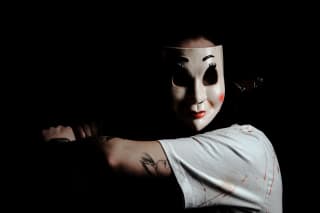
Leitmotif Image
A leitmotif image is an image that recurs throughout a work (or a cycle, or an author's entire oeuvre), acquiring a symbolic generalizing m…

Literary Mask (Persona)
A literary mask (persona) is a conventional, invented image of a speaker in whose name the author conducts a narrative or lyric utterance,…
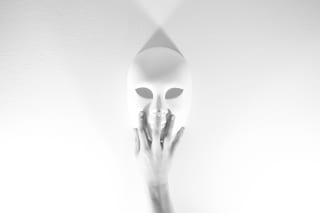
Literary Portrait
The literary portrait is the description of a personage's appearance (face, figure, clothing, gait, facial expression, gestures) as a means…
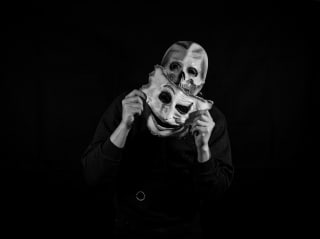
Literary Type
A literary type is an artistic image in which the individual traits of a personage are combined with a generalization of the essential, rec…
Little Person
The 'little person' is a literary type denoting a socially insignificant, defenseless personality of low social standing, wronged by circum…
Lyrical Hero
The lyrical hero is the image of the one whose experiences, thoughts, and feelings are expressed in a lyric work — a kind of 'second self'…
Lyrical Subject
The lyrical subject is a generalized concept denoting the bearer of utterance, consciousness, and experience in a lyric work; it is broader…
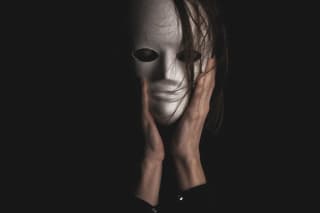
Protagonist
The protagonist is the main personage of a literary work, around whom the plot is built and whose deeds, choices, and fate are at the cente…
Prototype
A prototype is a real historical or contemporary person whose life and traits became the basis for creating a literary character.
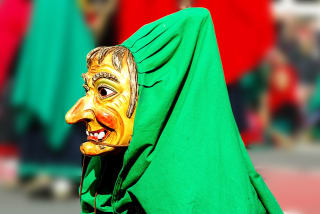
Psychologism
Psychologism is the artistic recreation of a personage's inner world — their thoughts, feelings, experiences, motives, and states of mind —…

Raisonneur
A raisonneur is a personage of a dramatic (more rarely epic) work who voices reasonings, evaluations, and moral maxims close to the authori…
Superfluous Man
The 'superfluous man' is a literary type that arose in the 19th century: an educated, gifted, often noble personality who, through discord…

Symbol-Image
A symbol-image is an artistic image that, alongside its concrete-objective meaning, carries a generalized-symbolic content, becoming a sign…
System of Characters
The system of characters is the totality of all the images (above all the personages) of a work in their interconnections, correlation, and…
The Double
The double is an artistic image that is a personage's 'second self,' their mirror reflection, alter ego, or the embodiment of a repressed,…

Typification
Typification is a mode of artistic generalization in which a writer selects, concentrates, and intensifies the most essential, recurring, c…




