


Character & Image
Lyrical Hero
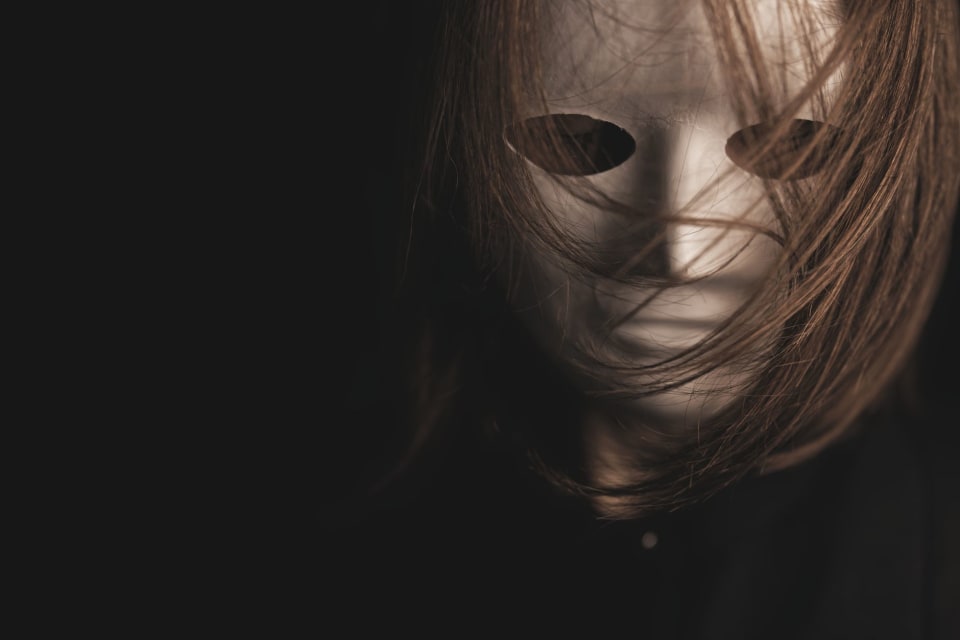
The lyrical hero is the image of the one whose experiences, thoughts, and feelings are expressed in a lyric work — a kind of 'second self' of the poet that arises in their creativity. The lyrical hero cannot be identified with the real, biographical author, though a close connection exists between them: it is an artistically generalized, aesthetically transformed image of the lyric subject. The concept was introduced into literary studies by Yuri Tynianov (with respect to the work of Alexander Blok). The lyrical hero is endowed with a certain worldview, character, and fate, which emerge from the totality of an author's or a cycle's lyric works; they may change, 'evolve.' One also distinguishes the 'lyric I' and role lyric (where the speaker is an invented persona). Vivid, integral images of the lyrical hero appear in Taras Shevchenko's 'Kobzar,' in Ivan Franko's 'Withered Leaves,' and in the poetry of Lesia Ukrainka and Vasyl Stus.
Video
Compare “Lyrical Hero” with another term
Meaning, origins and distinction — side by side.
Distinction
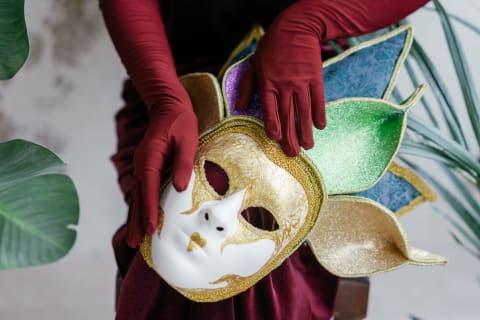
Both are forms of the author's consciousness in the text, but at different levels. The lyrical hero is an image WITHIN a lyric work or cycle, endowed with its own experience, character and fate, in whose name the utterance sounds. The image of the author is a broader, SUPRA-TEXTUAL organising consciousness uniting the whole system of means and manifesting in tone, selection and evaluation. The lyrical hero speaks inside the work; the image of the author structures it from without.




